Recommendations and reviews
Books, websites, research papers, podcasts – if you’re looking for useful information about literacy for older children and teenagers, The Literacy Hub is a great place to start!

There is a bewildering array of education resources out there, and some are better quality and more relevant than others. That’s why I’ve created a searchable collection of reviews, with a focus on resources that are relevant to teaching literacy to older children and teenagers.
Whether you want tips for supporting pupils with dyslexia, an introduction to the psychology of reading, or a guide to English spelling, The Literacy Hub can help you identify resources that contain the information you need.
For quick round-up of the The Literacy Hub’s best picks for each topic, search for Top Recommendations using the Topic filter.

I regularly update these recommendations as I come across new resources, and I’m continuing to revisit the best picks from my literacy teaching collection. If you think there’s a great resource that I’ve missed, please let me know!
And, since I know that many literacy educators just really love words, I’ve included some recommendations for pure word-loving enjoyment! You can find these under the Topic Word nerd fun.
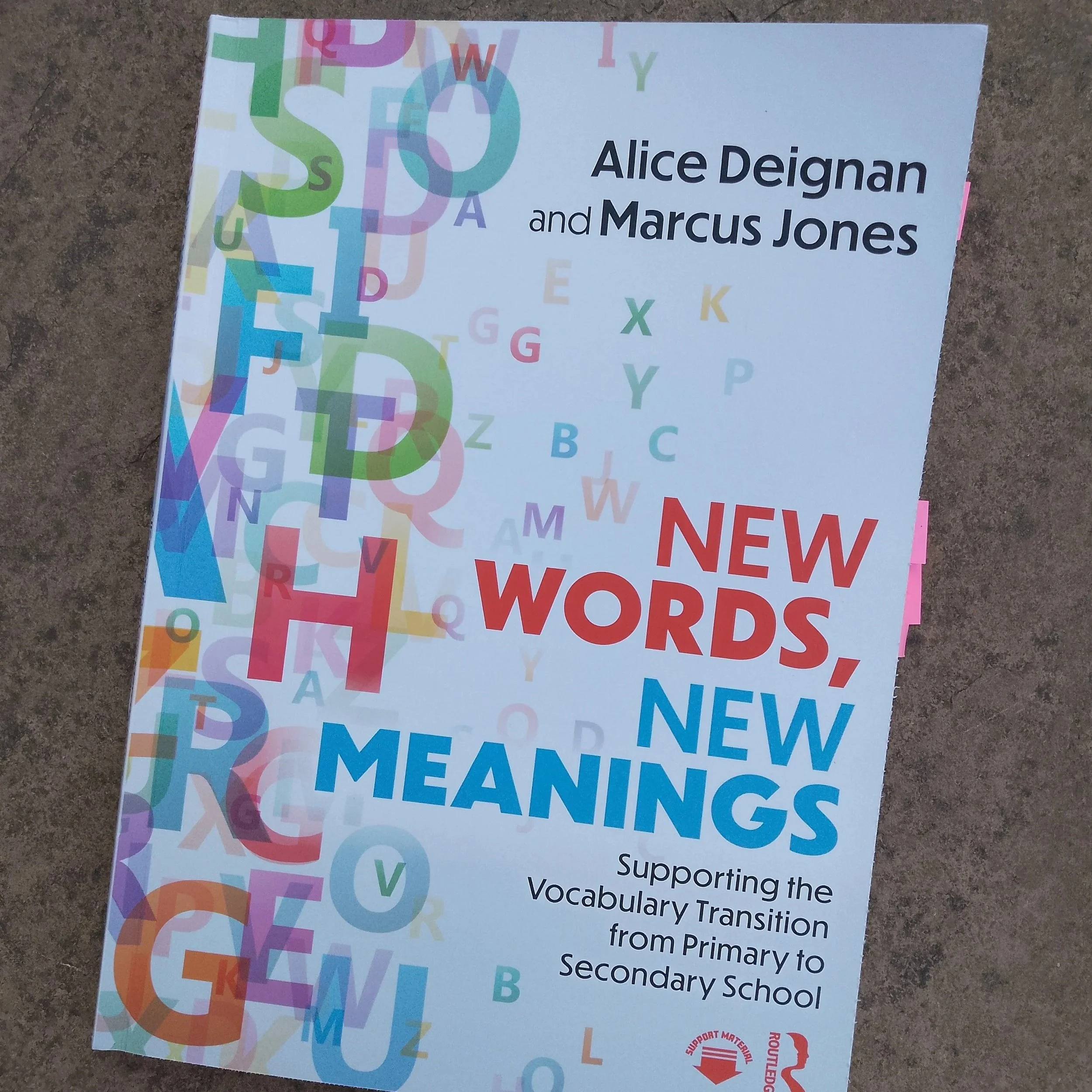
New Words, New Meanings
A thorough analysis of the differences in vocabulary that students encounter between primary and secondary school
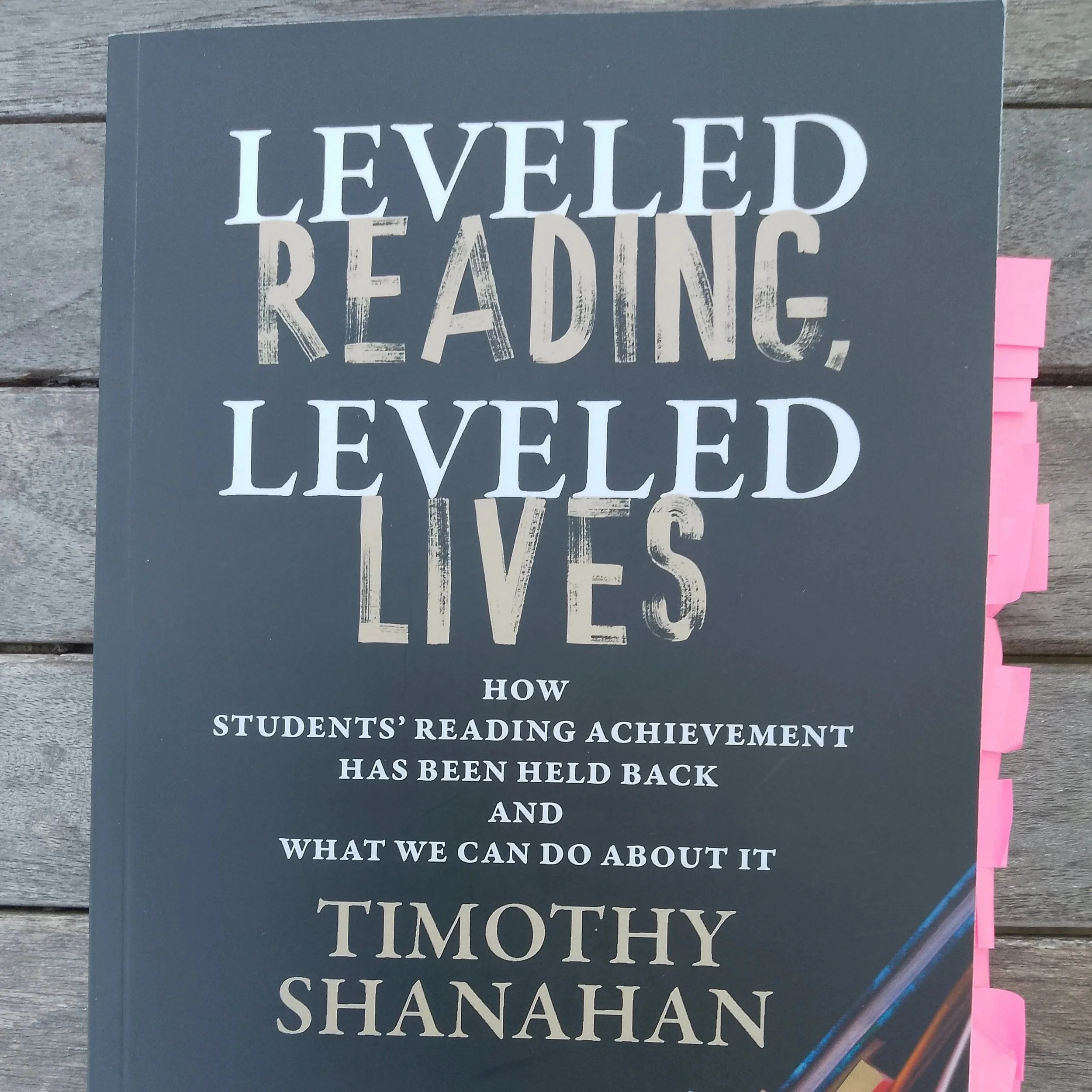
Leveled Reading, Leveled Lives
Timothy Shanahan presents a compelling case that students should be taught with challenging texts
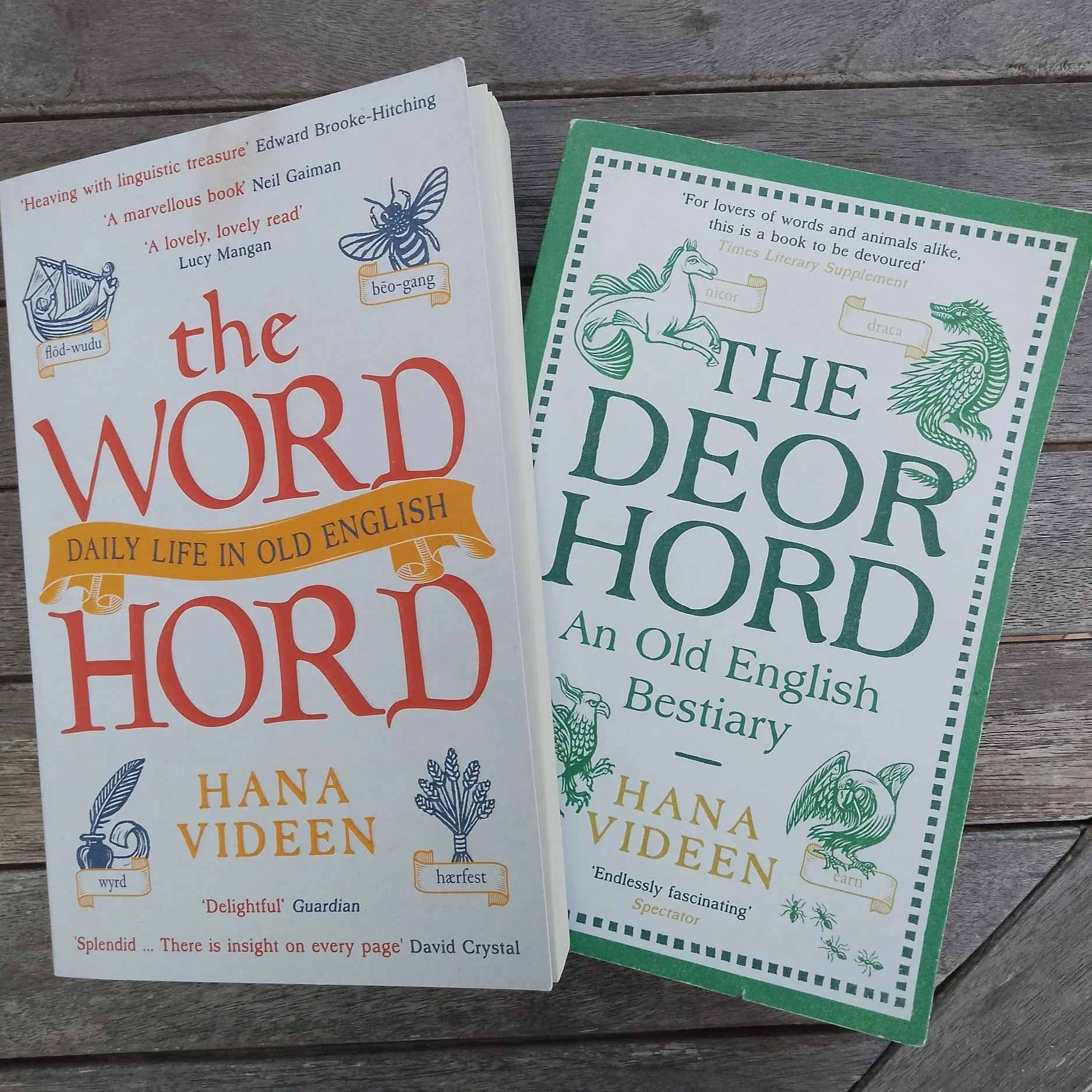
The Wordhord and The Deorhord
Fascinating snippets of Old English are woven together to create an insightful glimpse of Anglo-Saxon England

Top 20 recommendations for literacy teachers
To begin the National Year of Reading, here are my Top 20 recommendations for literacy teachers
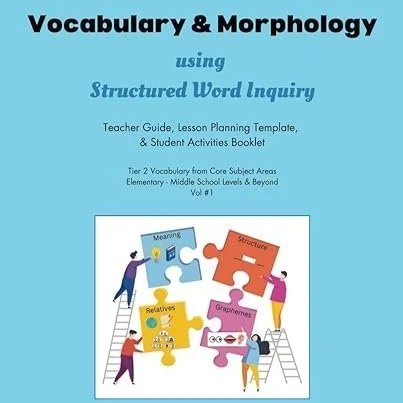
Vocabulary and Morphology Using Structured Word Inquiry
A clear introduction for teachers who would like to explore Structured Word Inquiry
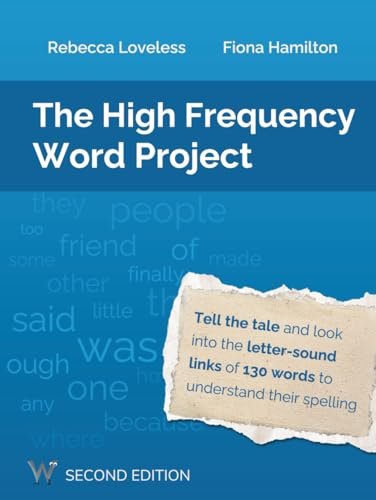
The High Frequency Word Project
This book is a mine of information for those teaching how to spell high-frequency words
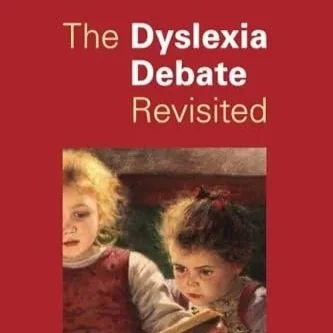
The Dyslexia Debate Revisited
A comprehensive exploration of what dyslexia is – and isn’t – with recommendations for education policy