Top 20 recommendations for literacy teachers
In the UK, 2026 has been designated as the National Year of Reading. The focus of events is engagement, motivation and reading for pleasure. However, it’s important to remember that the foundation of reading enjoyment is the ability to read fluently.
With that in mind, I began 2026 with daily LinkedIn posts of my ‘top 20’ book recommendations for literacy teachers, covering a range of topics from cognitive science to etymology.
For convenience, I’ve collated the recommendations within this post. The books aren’t ‘ranked’ in any particular order – what’s useful for you will depend on what you’re looking for! You’ll find some old favourites among these, as well as some more recent publications. Each recommendation includes a link to a more detailed review.
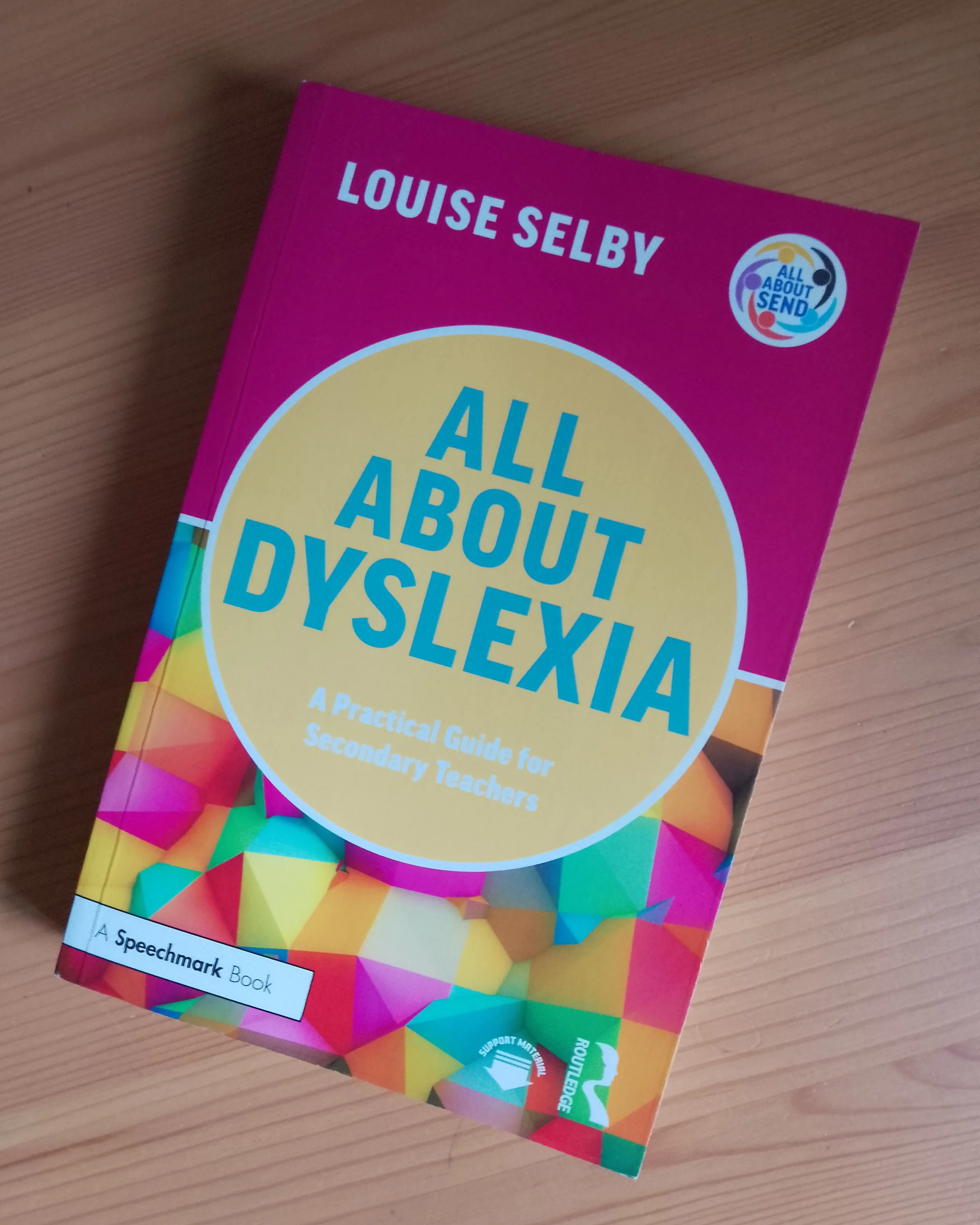
Louise Selby
Published in 2025, this is a practical, concise and friendly introduction to the needs of dyslexic students at secondary school. I’ve found this a useful book to recommend to colleagues who don’t have a background in literacy teaching.
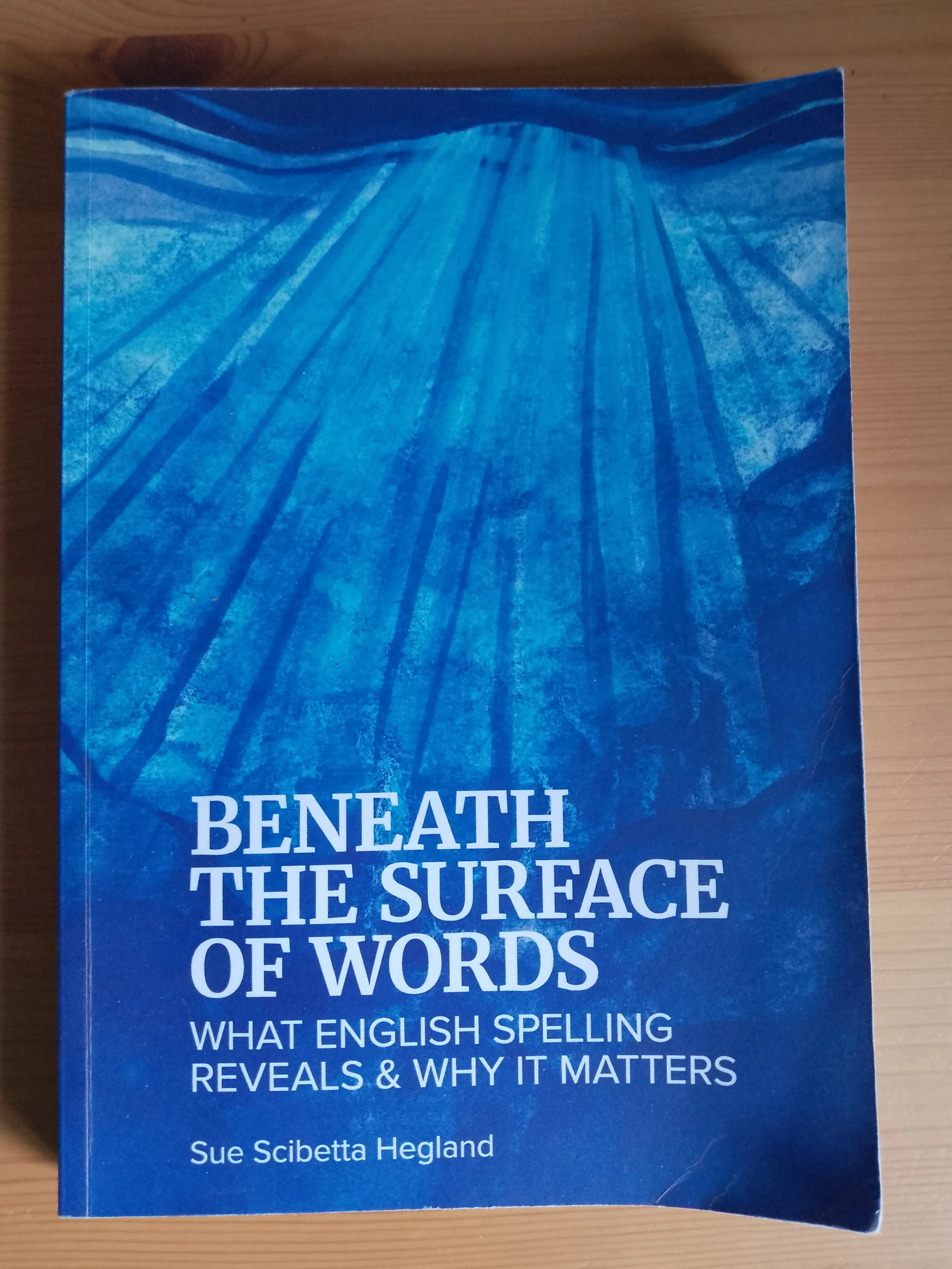
Sue Scibetta Hegland
This is one of my favourite books about how words work. If you’ve ever struggled to explain why a word is spelled in a certain way, take a look! For those who are curious about Structured Word Inquiry, this is also a great starting point.
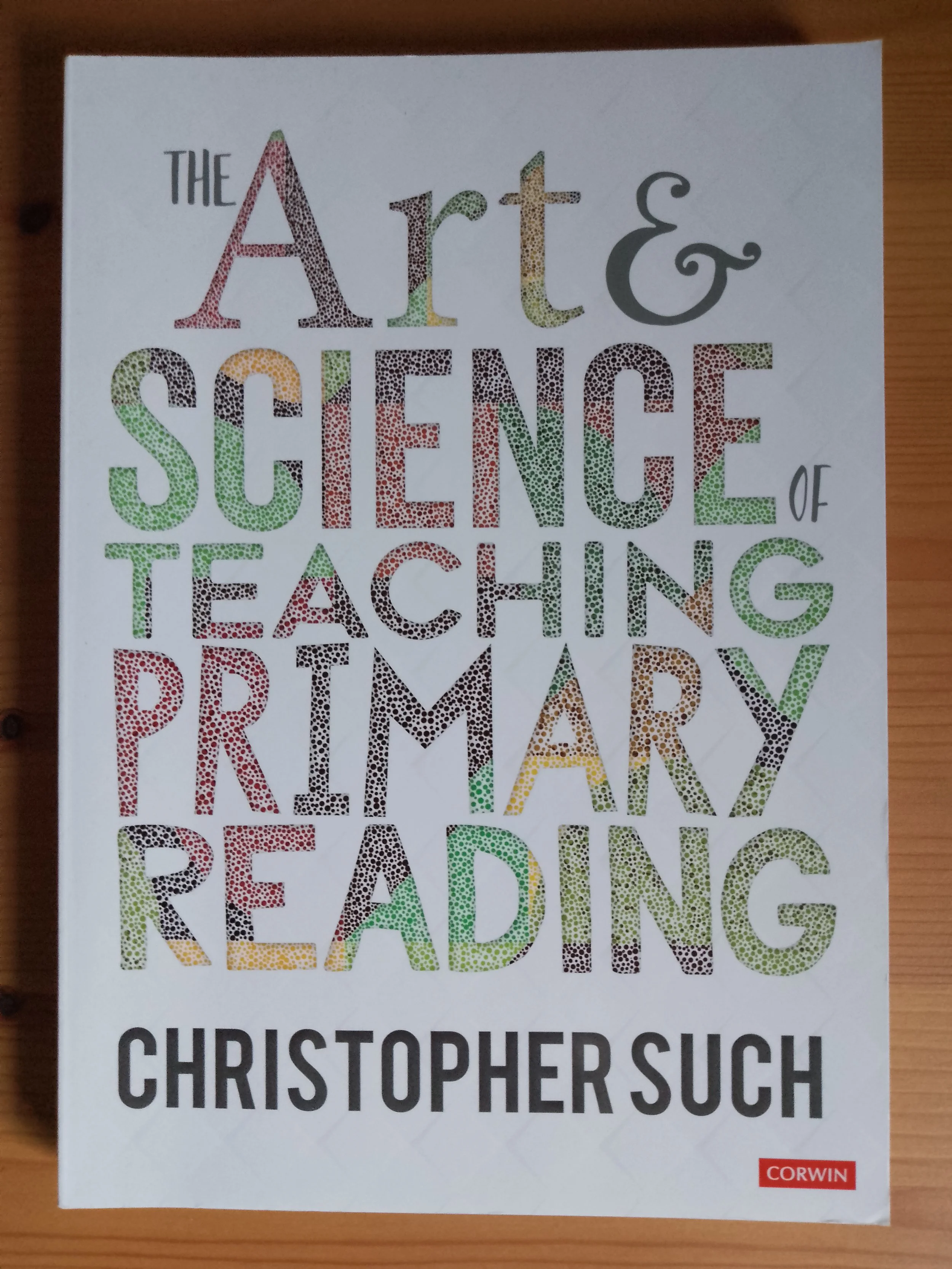
Christopher Such
Widely and justifiably recommended as one of the best books on teaching literacy, The Art and Science of Teaching Primary Reading is my top recommendation for an overview of the science of reading for teachers. It’s all written with a view to what teachers will find useful, and how they can apply it in the classroom.
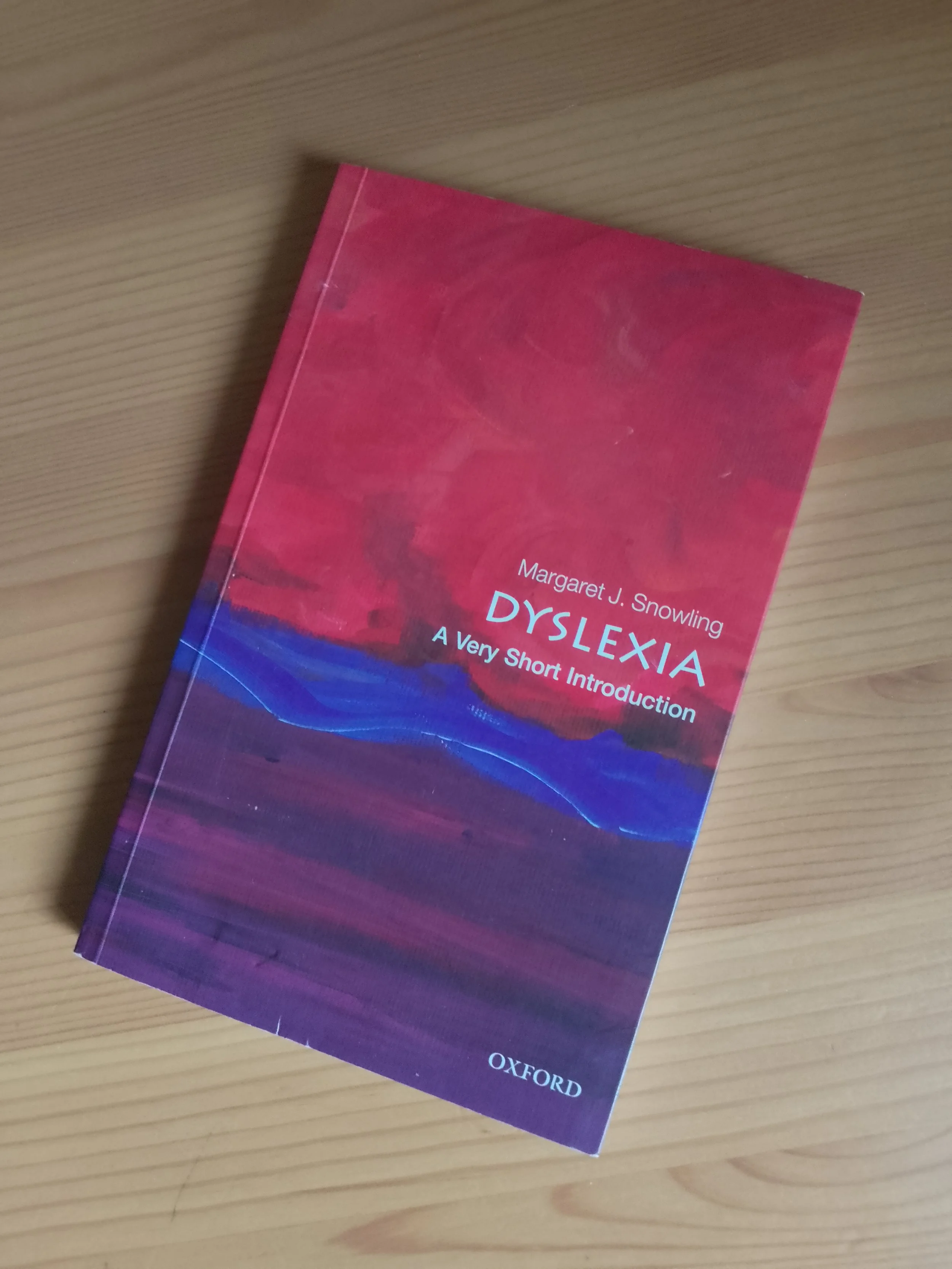
Margaret J. Snowling
For a short ‘introductory’ book, this packs in a lot of information about the nature and causes of dyslexia. It’s written by Maggie Snowling, one of the leading dyslexia experts in the UK, and is in a fairly academic style with a focus on the research. I’d recommend this for students of Specific Learning Difficulties, and teachers or parents with a strong interest in the causes of dyslexia and the debates surrounding it.
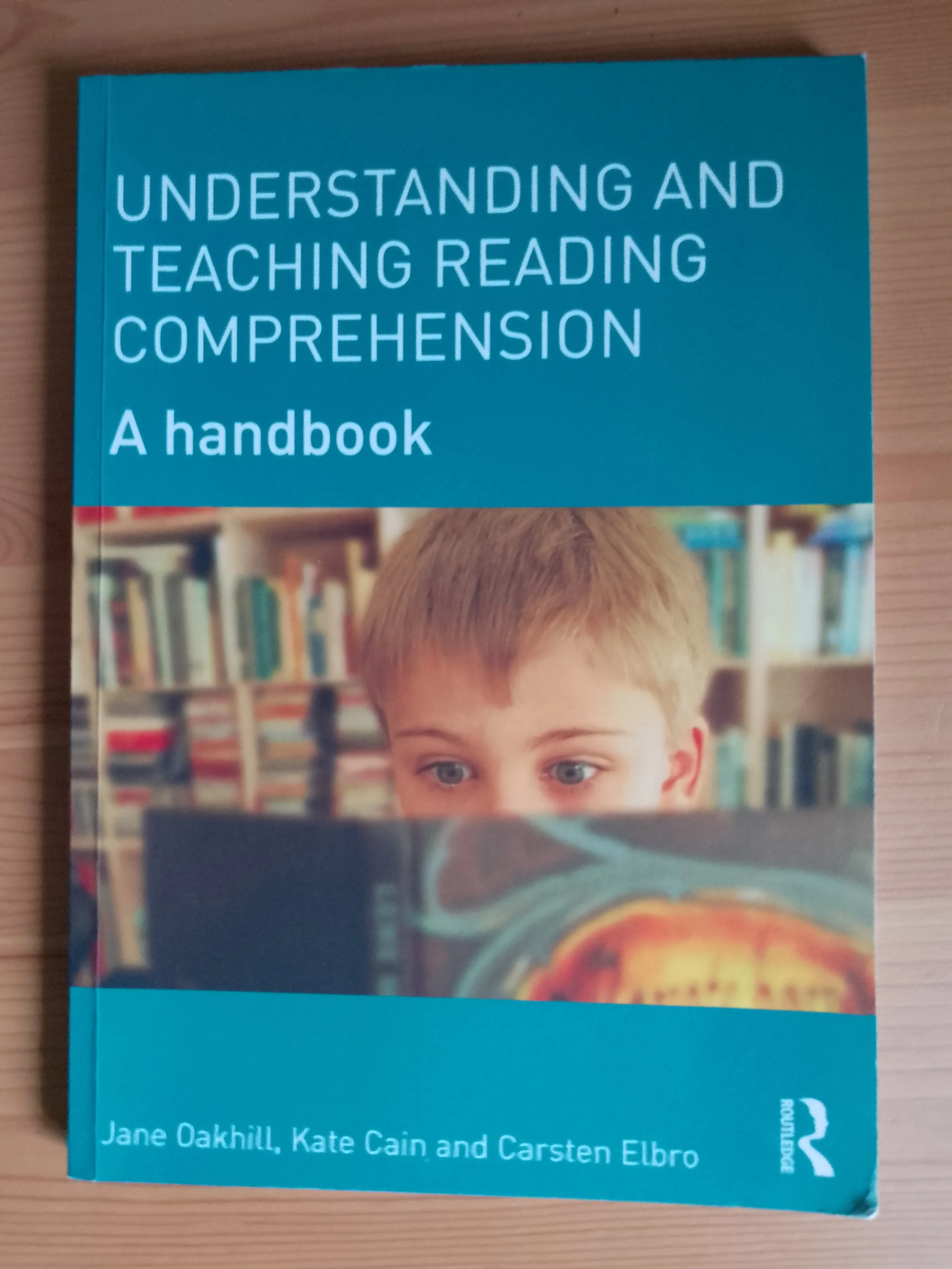
Jane Oakhill, Kate Cain and Carsten Elbro
A lot of books aimed at literacy teachers have a focus on teaching decoding, so I’ve included a recommendation that is squarely targeted at comprehension. This is a great textbook for explaining what is involved in the process of understanding a text!
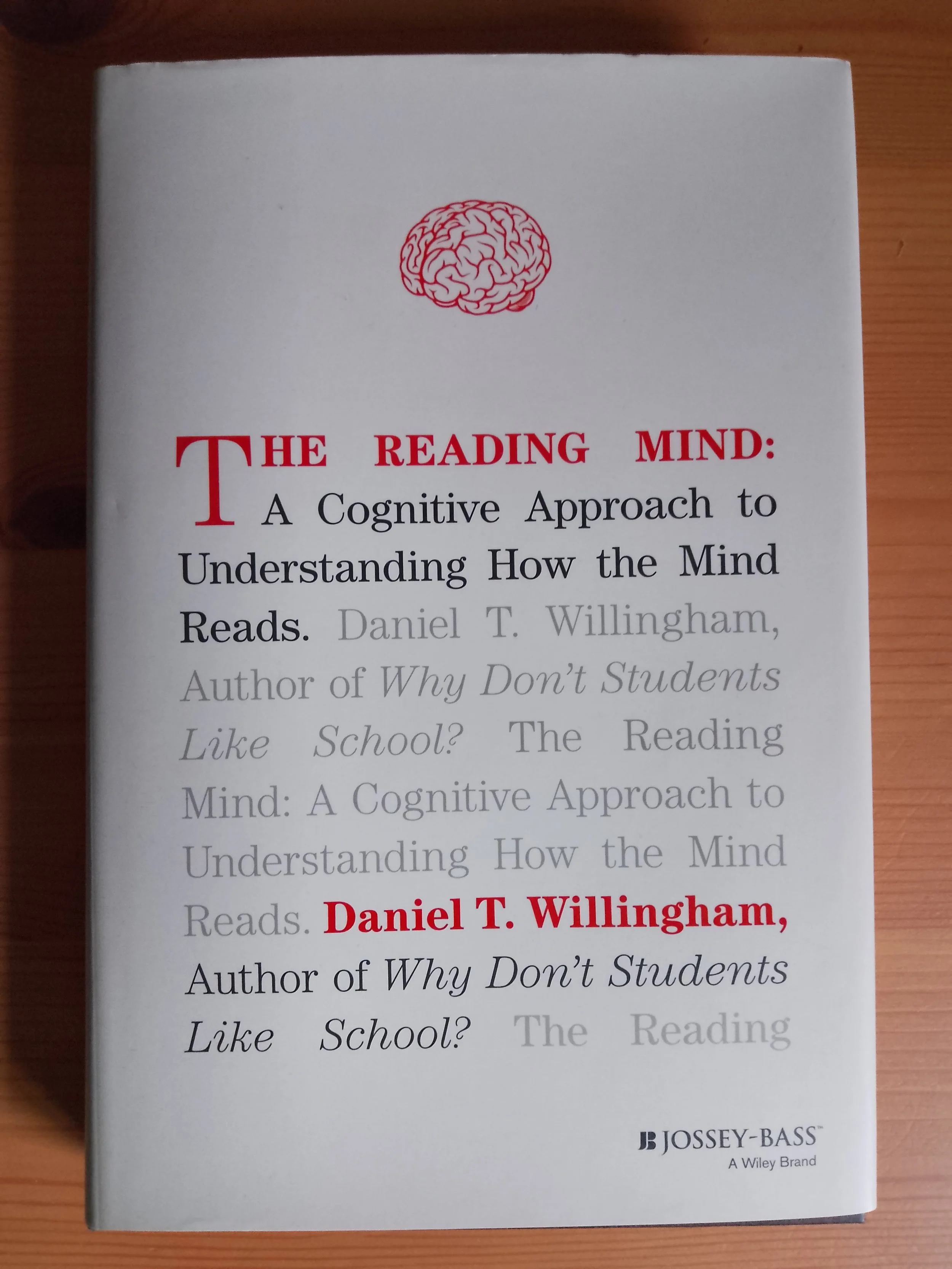
Daniel Willingham
Daniel Willingham is well-known for translating research into teacher-friendly recommendations. I’ve chosen The Reading Mind because it’s a clear introduction to the main processes involved in successful reading. Willingham goes beyond what’s involved in decoding and comprehension, and includes a wider look at motivation, reading for pleasure, and the impact of digital technology.
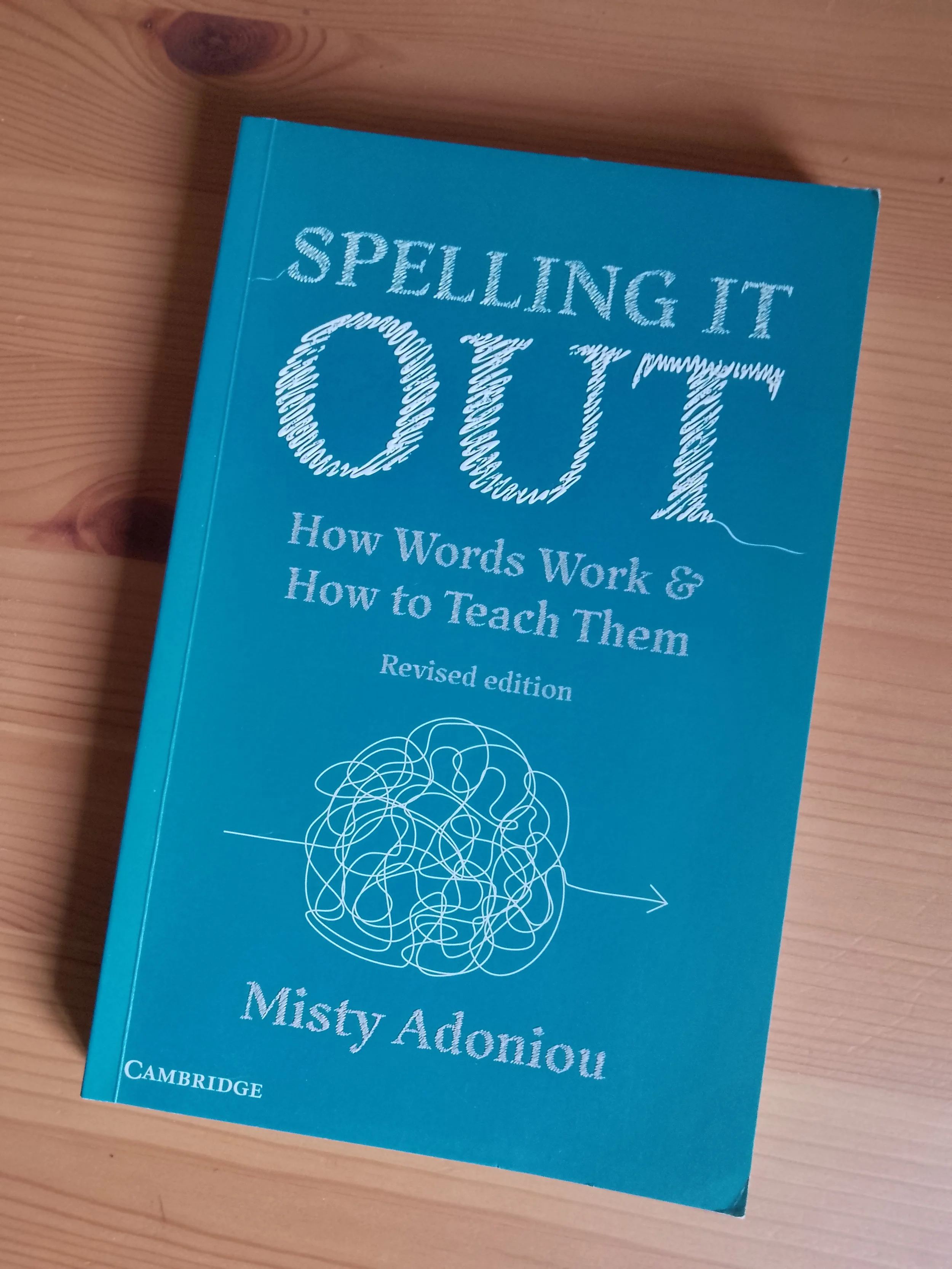
Misty Adoniou
This book focuses on teaching spelling rather than reading. It’s an informative, practical, no-nonsense introduction, suitable for parents and educators. Though it’s a short book – just 143 pages – it covers the main approaches to teaching spelling (phonology, orthography, etymology, morphology). There’s enough detail to be really helpful, but the author is careful to keep it concise.
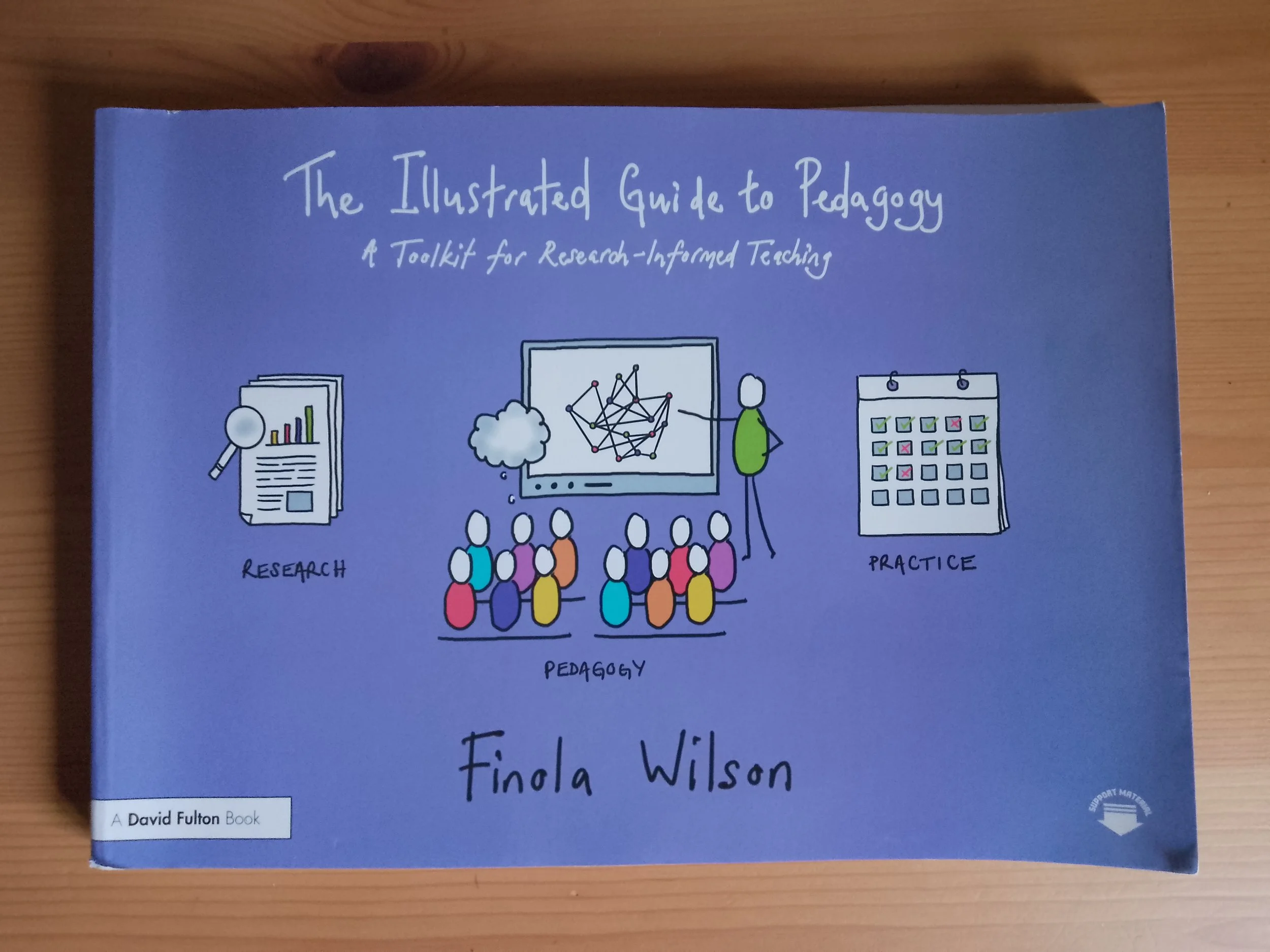
Finola Wilson
When it comes to planning lessons and designing programmes, it’s incredibly helpful to understand the principles of how we learn! There are a lot of books out there about cognitive science and its application to teaching. This is one of the best!
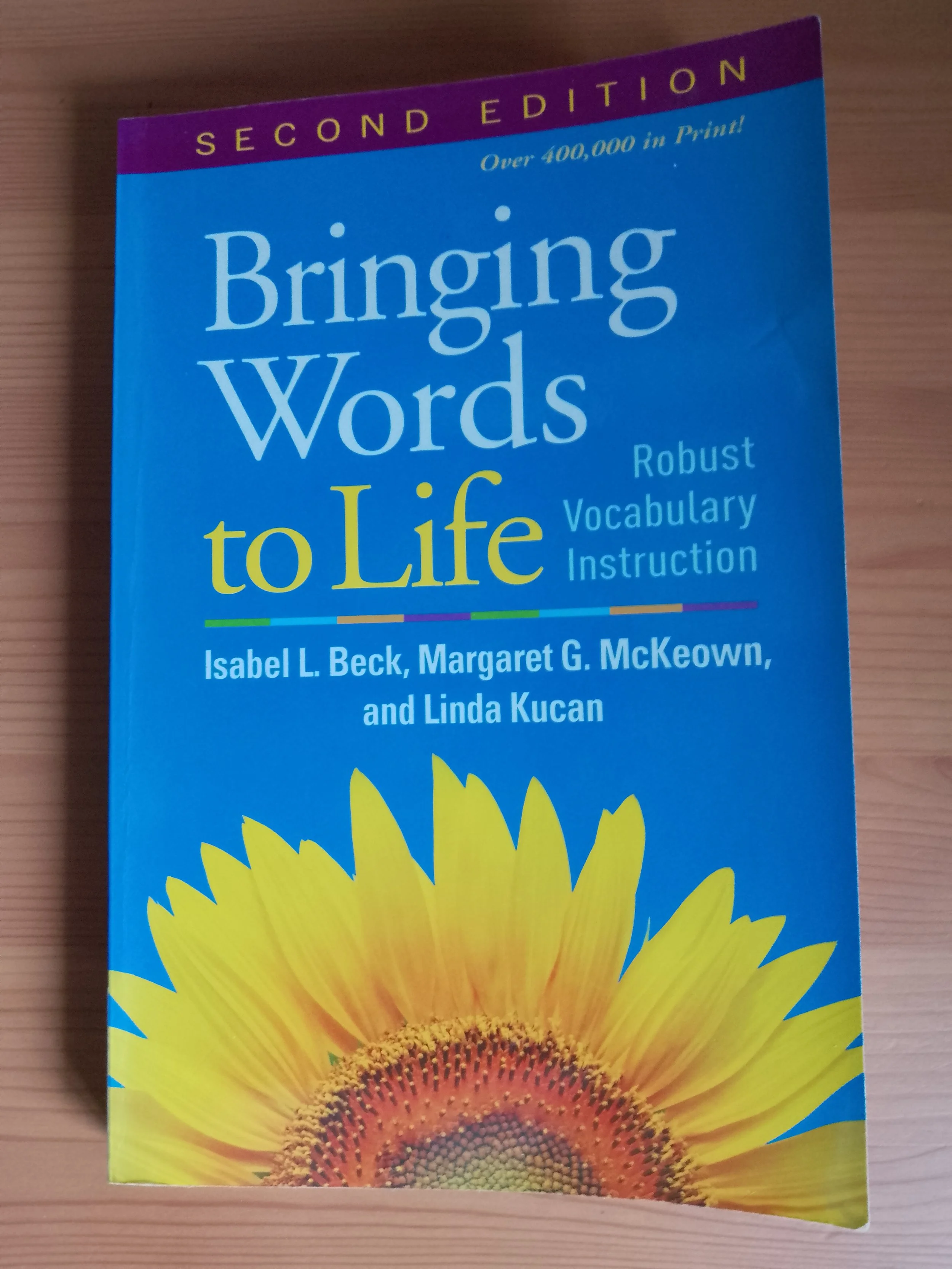
Isabel L. Beck, Margaret G. McKeown and Linda Kucan
Teaching vocabulary is especially important when students struggle with literacy because they’ve missed out on the opportunity learn vocabulary through reading. I’m recommending Bringing Words to Life because it’s packed with practical examples of how teach vocabulary.
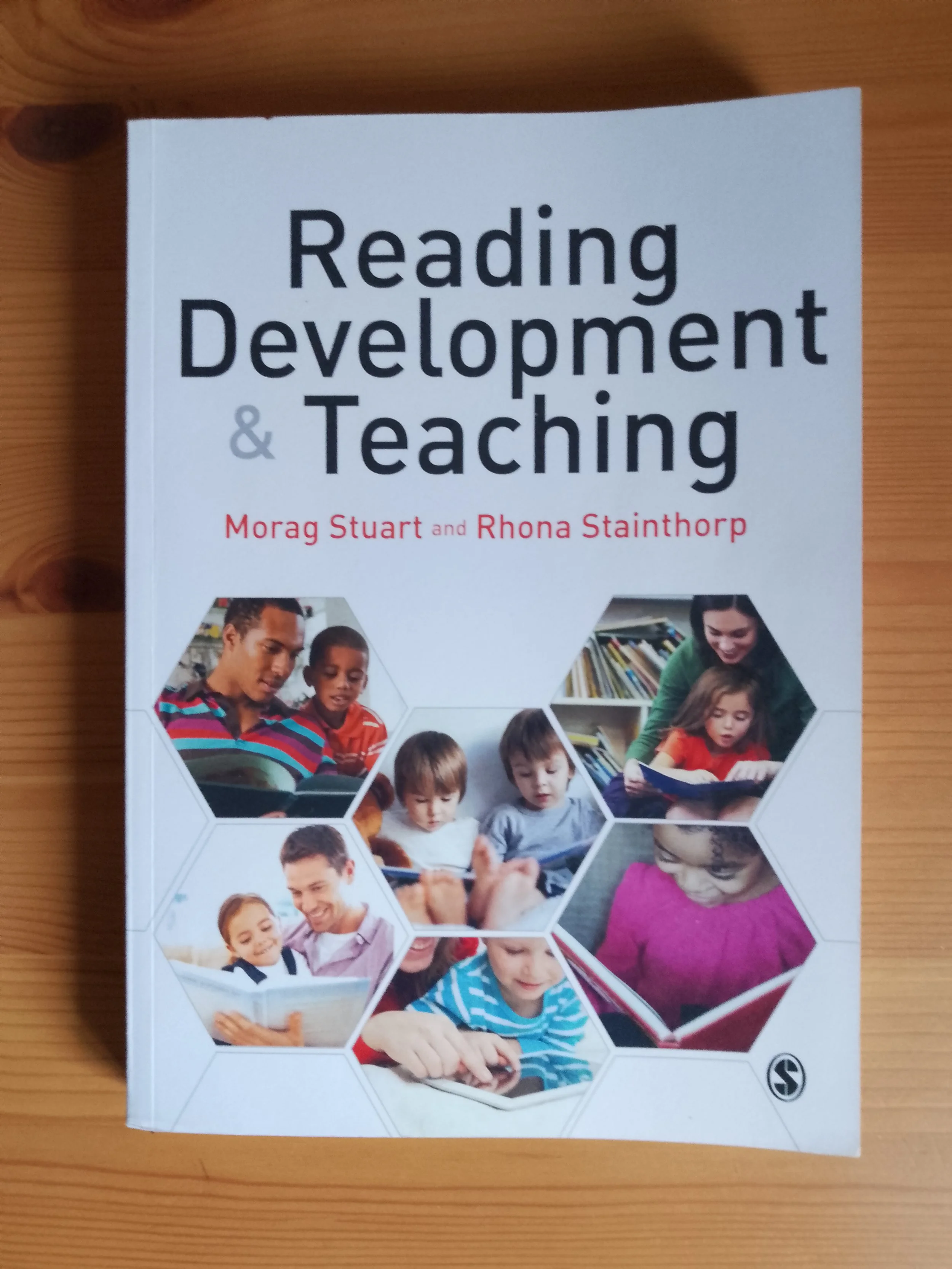
Morag Stuart and Rhona Stainthorp
A really solid textbook that covers the main aspects of reading development, includes evidence-based suggestions for teaching practice, and maintains a friendly tone throughout.
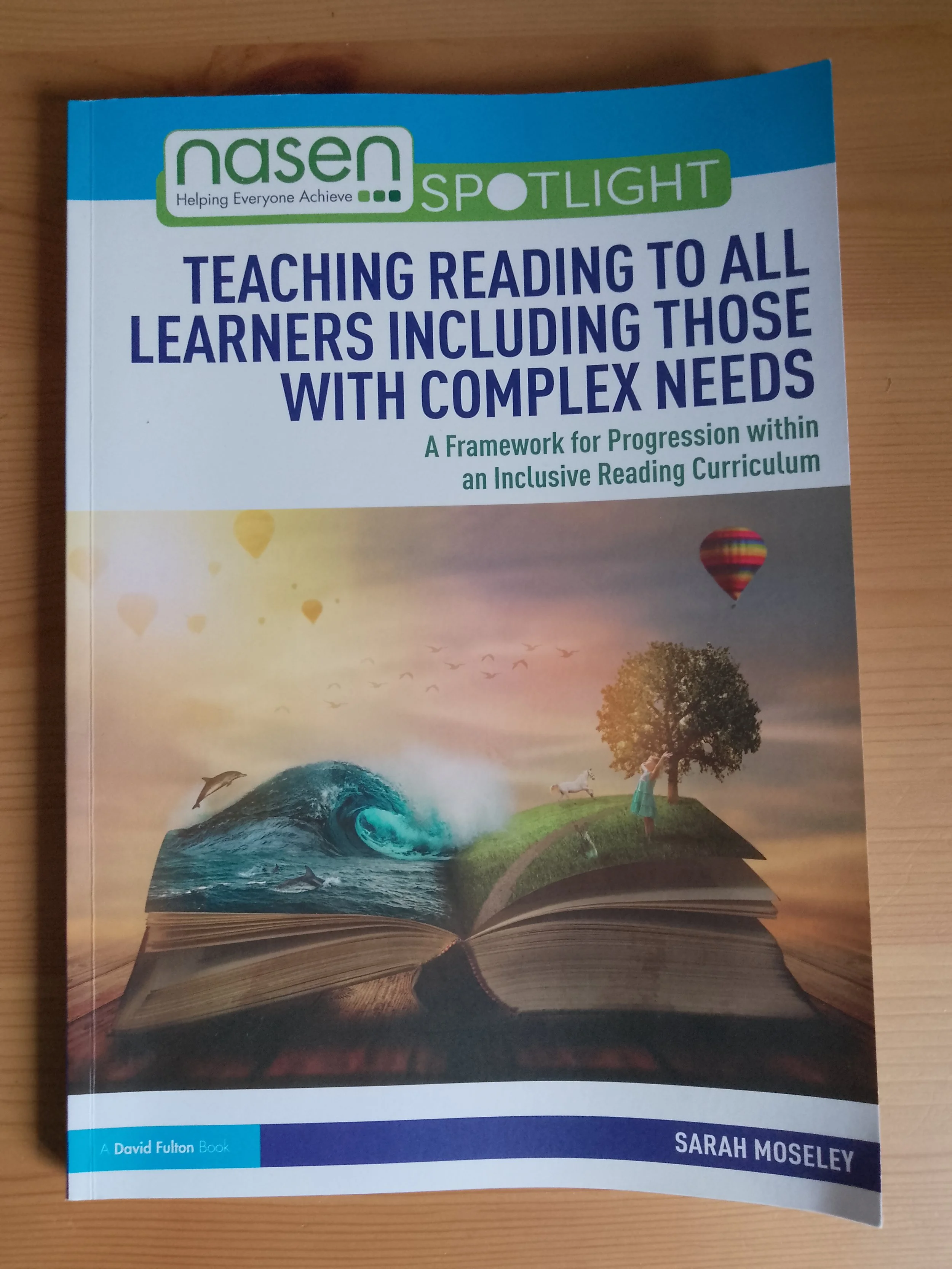
Sarah Moseley
This book was a bit outside my comfort zone, as I work in a mainstream setting. However, I wanted to add it to my list because it was eye-opening to see the range of strategies used to help learners engage with text and stories. It’s also important to highlight the relative lack of research into learners with complex needs, and to raise awareness of how much can be achieved with the right approaches.
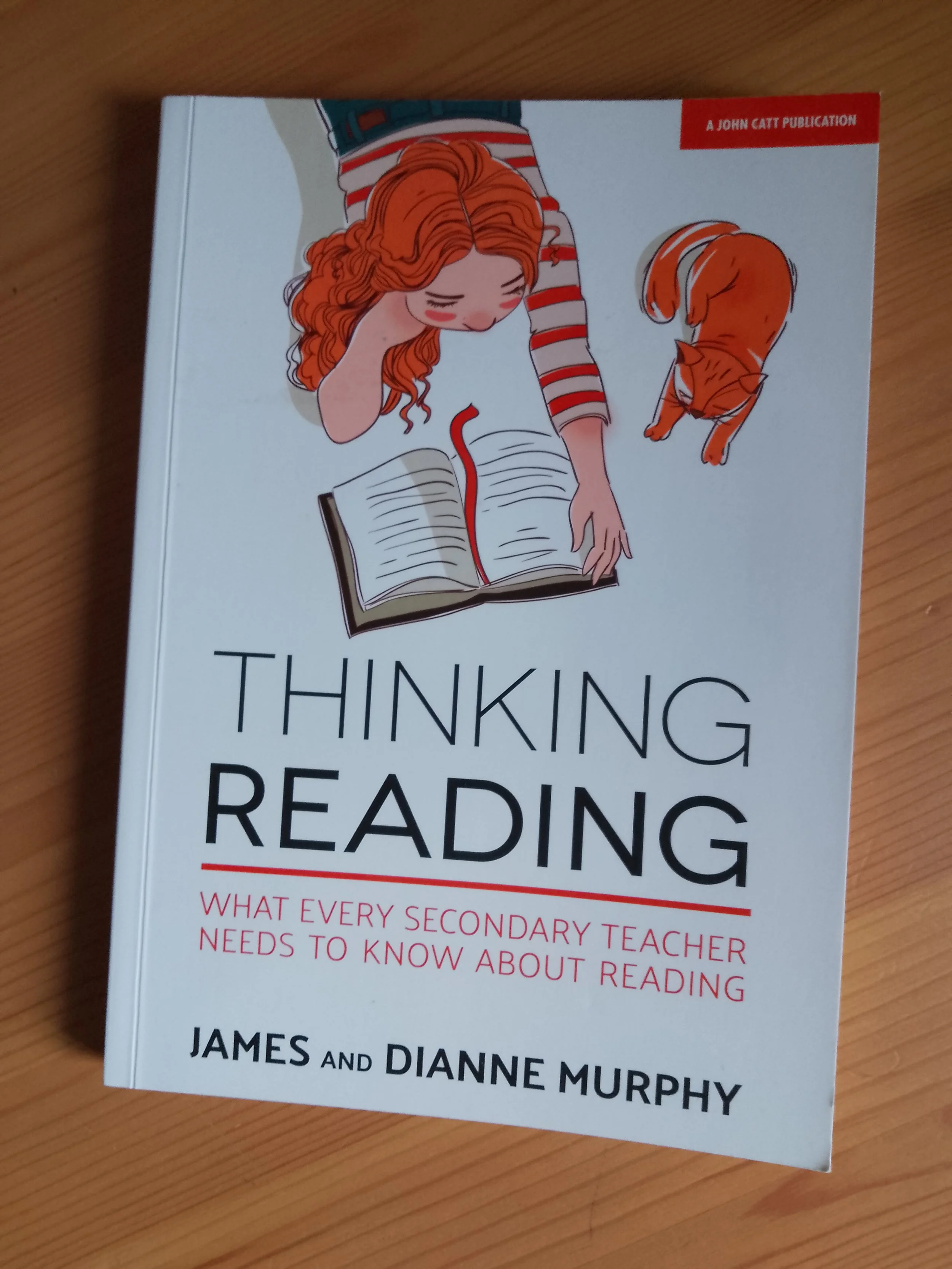
James and Dianne Murphy
Thinking Reading is a powerful and passionate reminder that struggling teenagers can learn to read if given the right support.
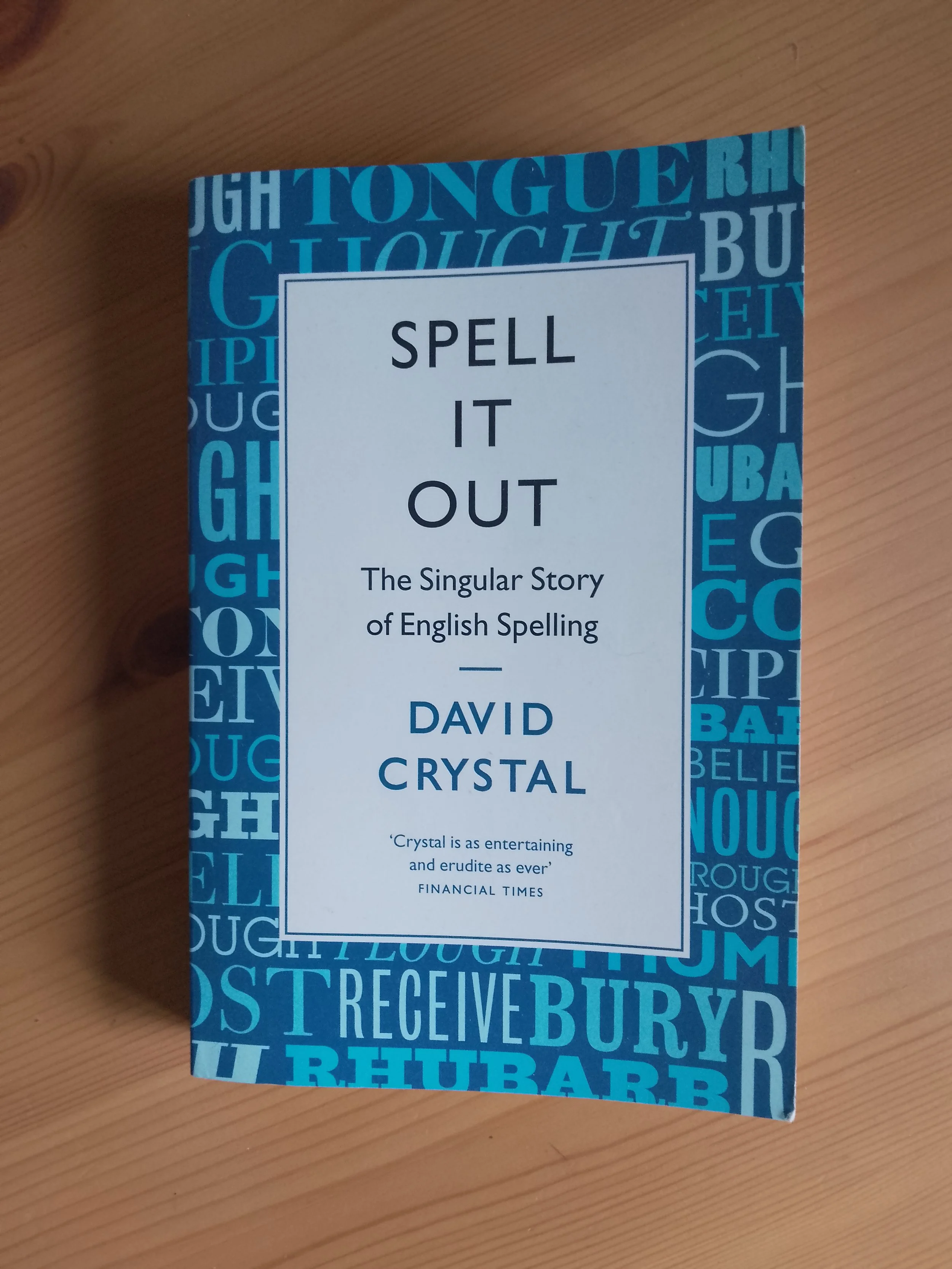
David Crystal
Etymology can explain a lot of the things that seem ‘crazy’ about English spelling, so it’s really helpful for literacy teachers to have a basic understanding of the history of English. David Crystal’s Spell It Out is a fairly short and very readable introduction.
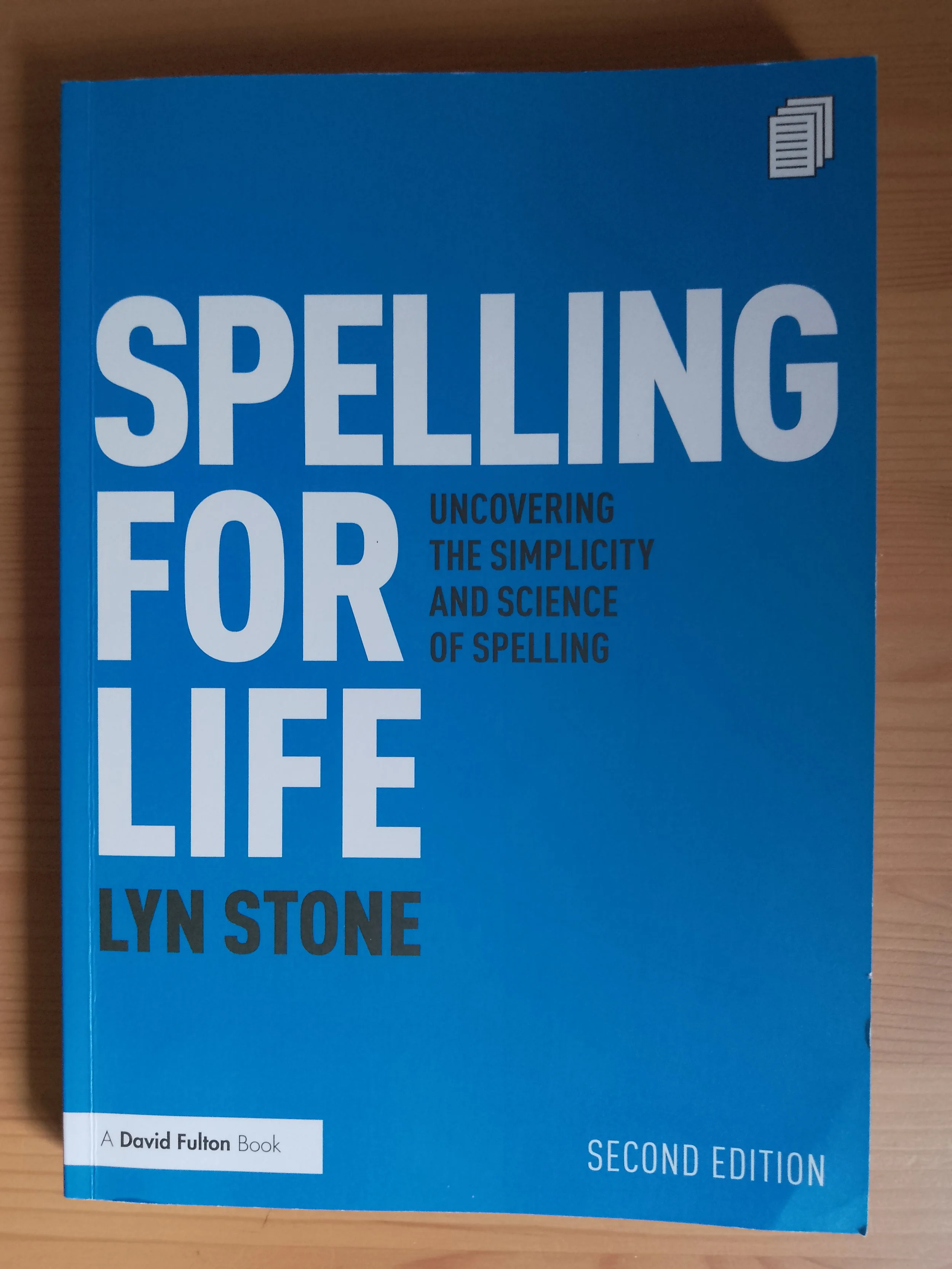
Lyn Stone
Spelling for Life not only explains the main concepts in English spelling, but also shows how you can teach these concepts in spelling lessons. The book is very practical, including some worksheets and example scripts, plus useful word lists. My favourite part is way the author treats spelling ‘exceptions’ as opportunities to discover more about the English language.
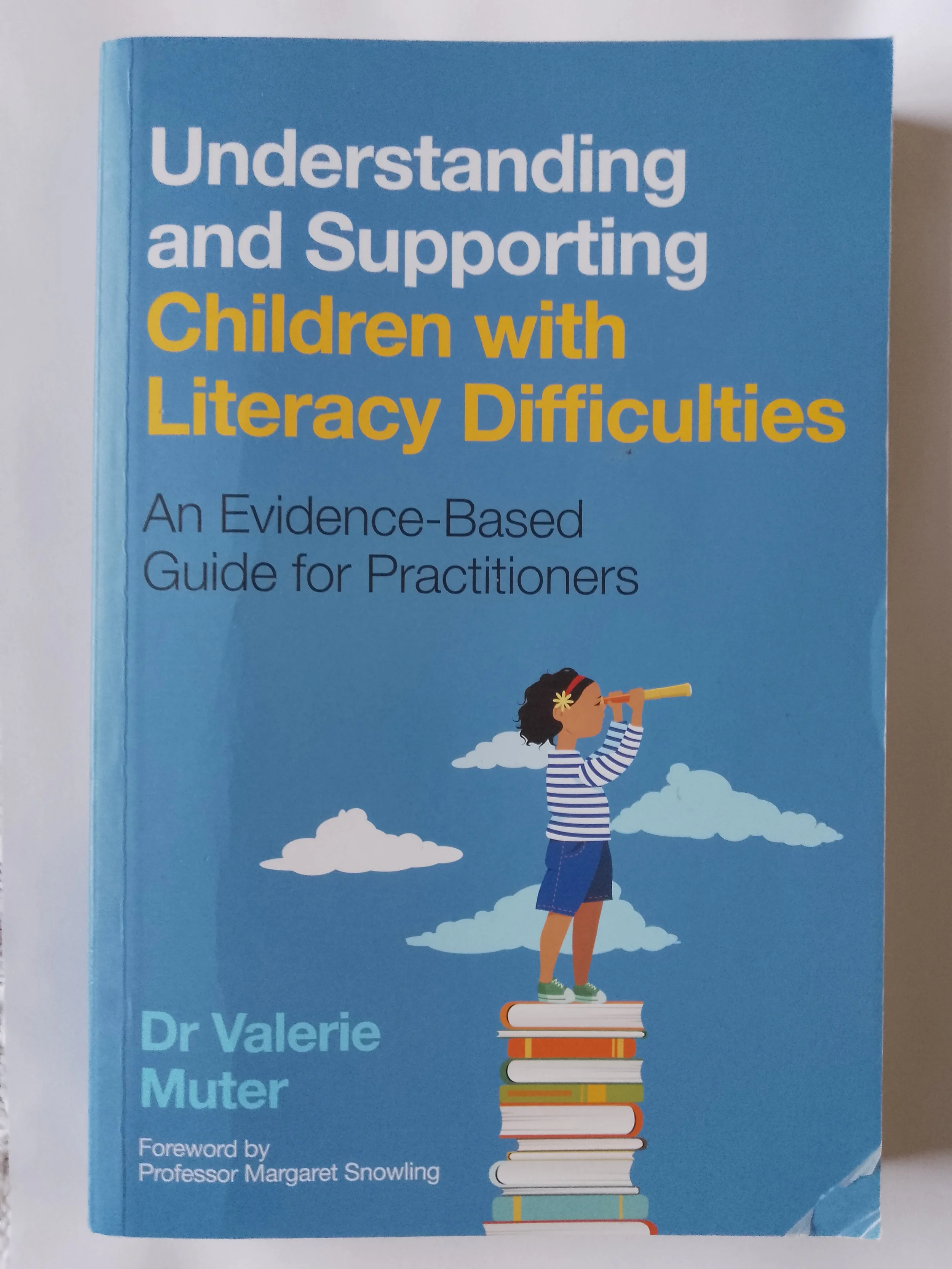
Dr Valerie Muter
I’ve selected this book because of its particular focus on literacy difficulties in the context of co-occurring diagnoses such as Attention Deficit Hyperactivity Disorder (ADHD), Developmental Language Disorder (DLD) and dyscalculia.
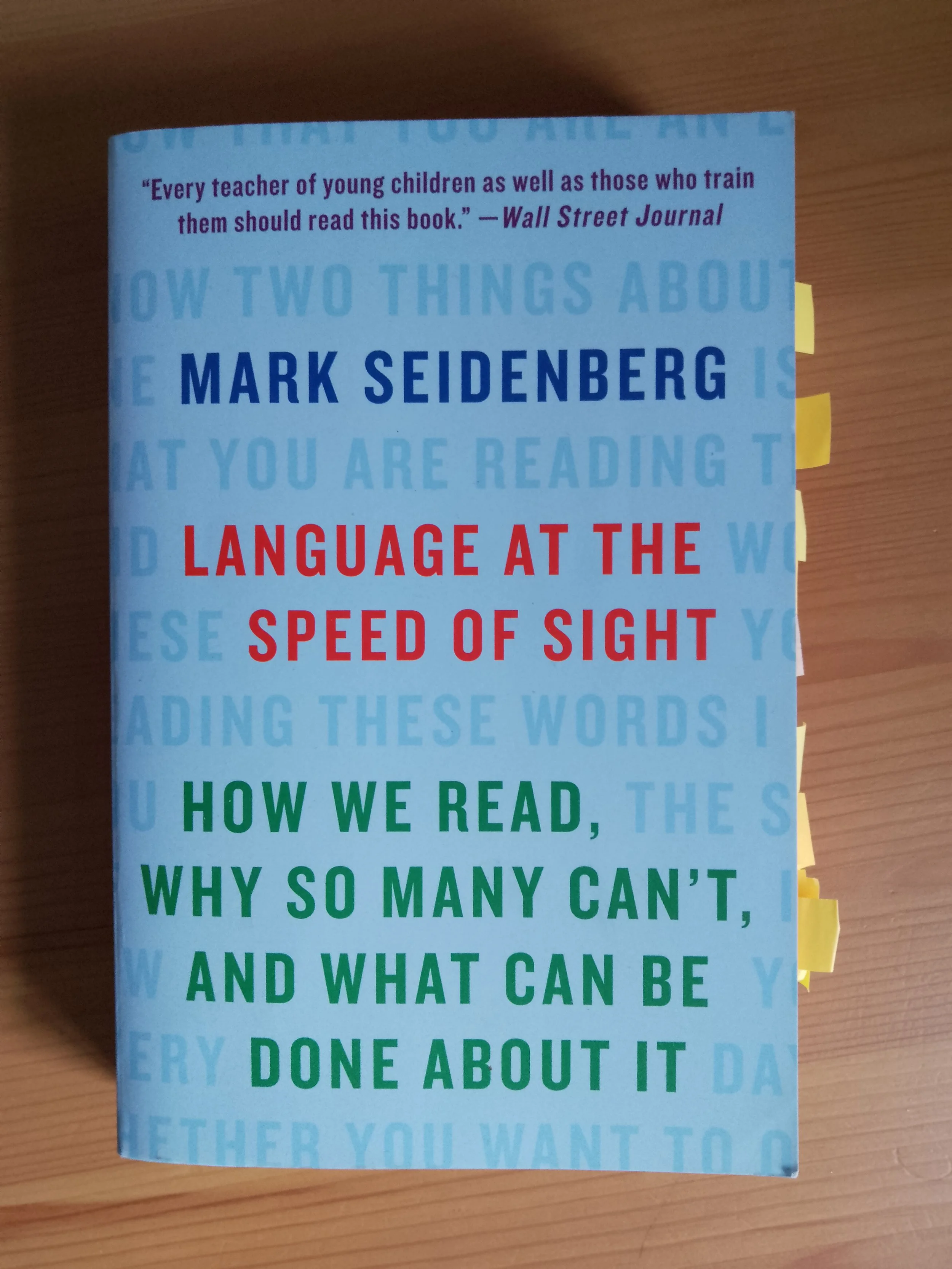
Mark Seidenberg
Language at the Speed of Sight is a great general introduction to the psychology of reading, and particularly to connectionist models. Great for understanding the processes underlying reading. Not necessarily an easy read, but well worth the effort. Wait for the upcoming second edition before buying though!
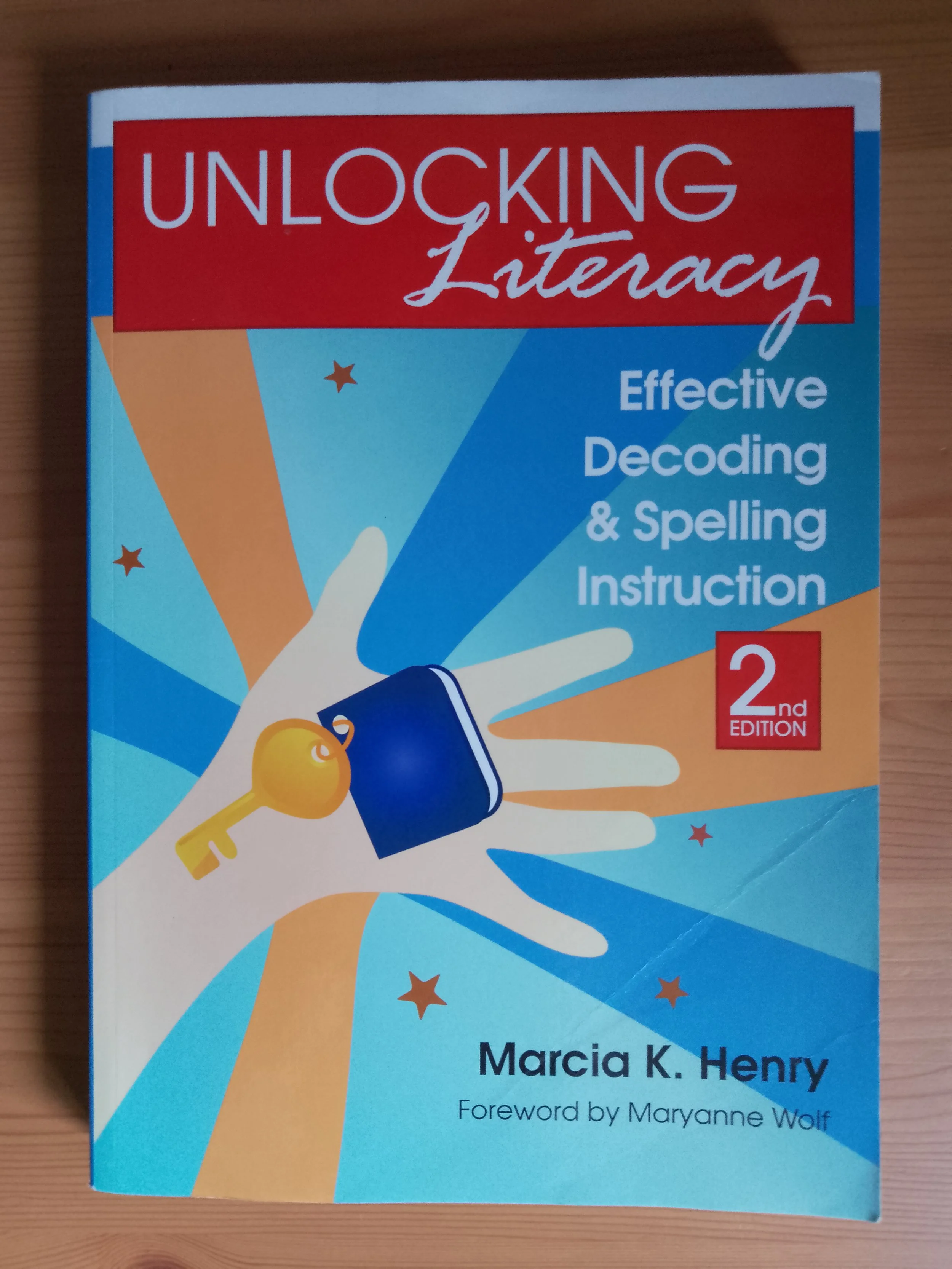
Marcia K. Henry
Written specifically for educators, I think Unlocking Literacy is particularly strong on the way that etymology and morphology can feed into teaching. I found the lists in the appendices really helpful for creating resources too!
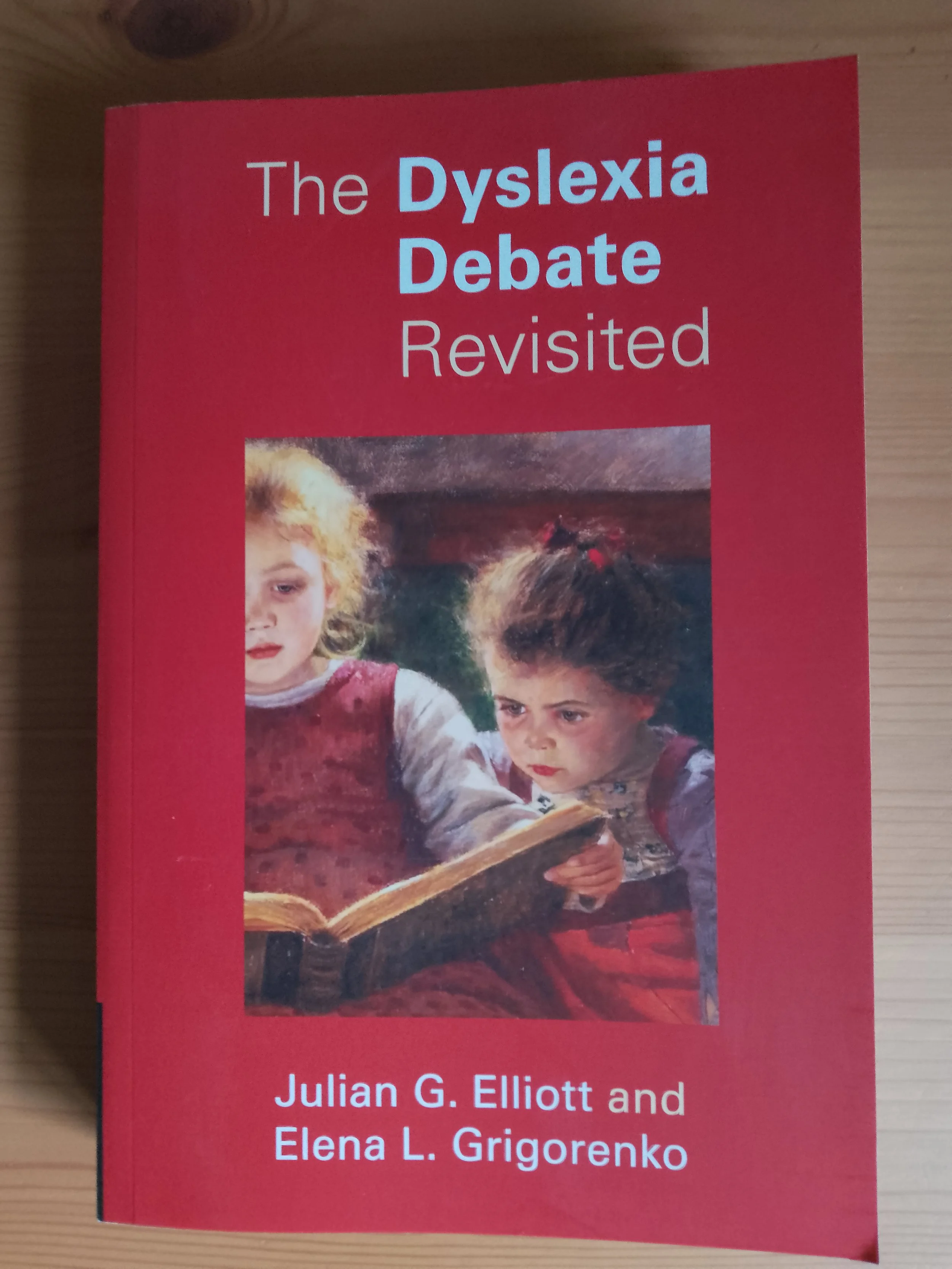
Julian G. Elliiott and Elena L. Grigorenko
This book is a thought-provoking and thorough discussion of the implications of diagnosing dyslexia, not just for the individuals who receive a diagnosis, but for the education system as a whole.
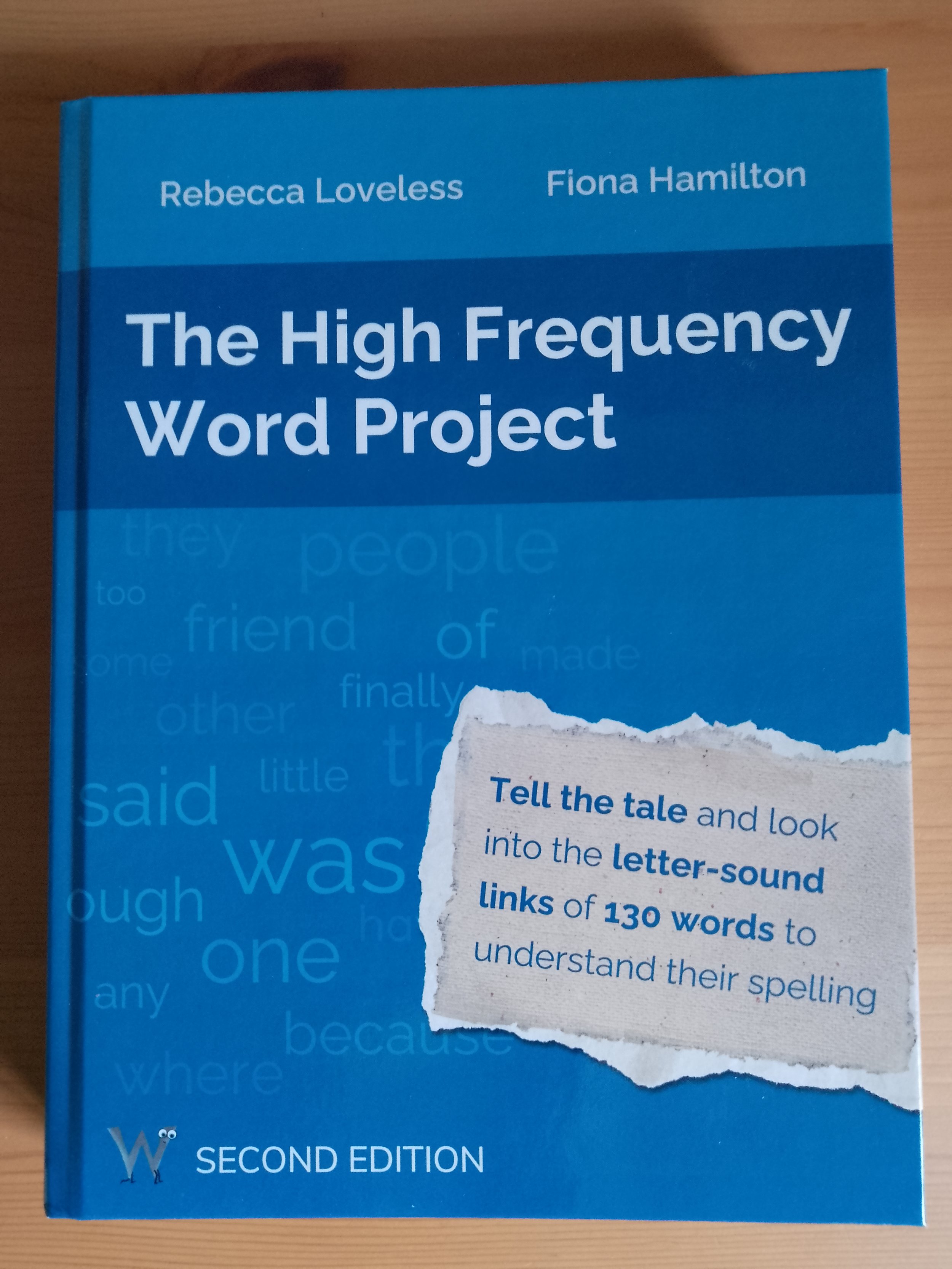
Rebecca Loveless and Fiona Hamilton
Teaching high frequency words can be difficult because so many of them have atypical relationships between letters and sounds. Rather than resorting to memorisation strategies, the authors have researched why these words are spelled as they are, and use these ‘tales’ to help pupils get to grips with them. I recommend this book for anyone teaching pupils how to read and spell high frequency words.
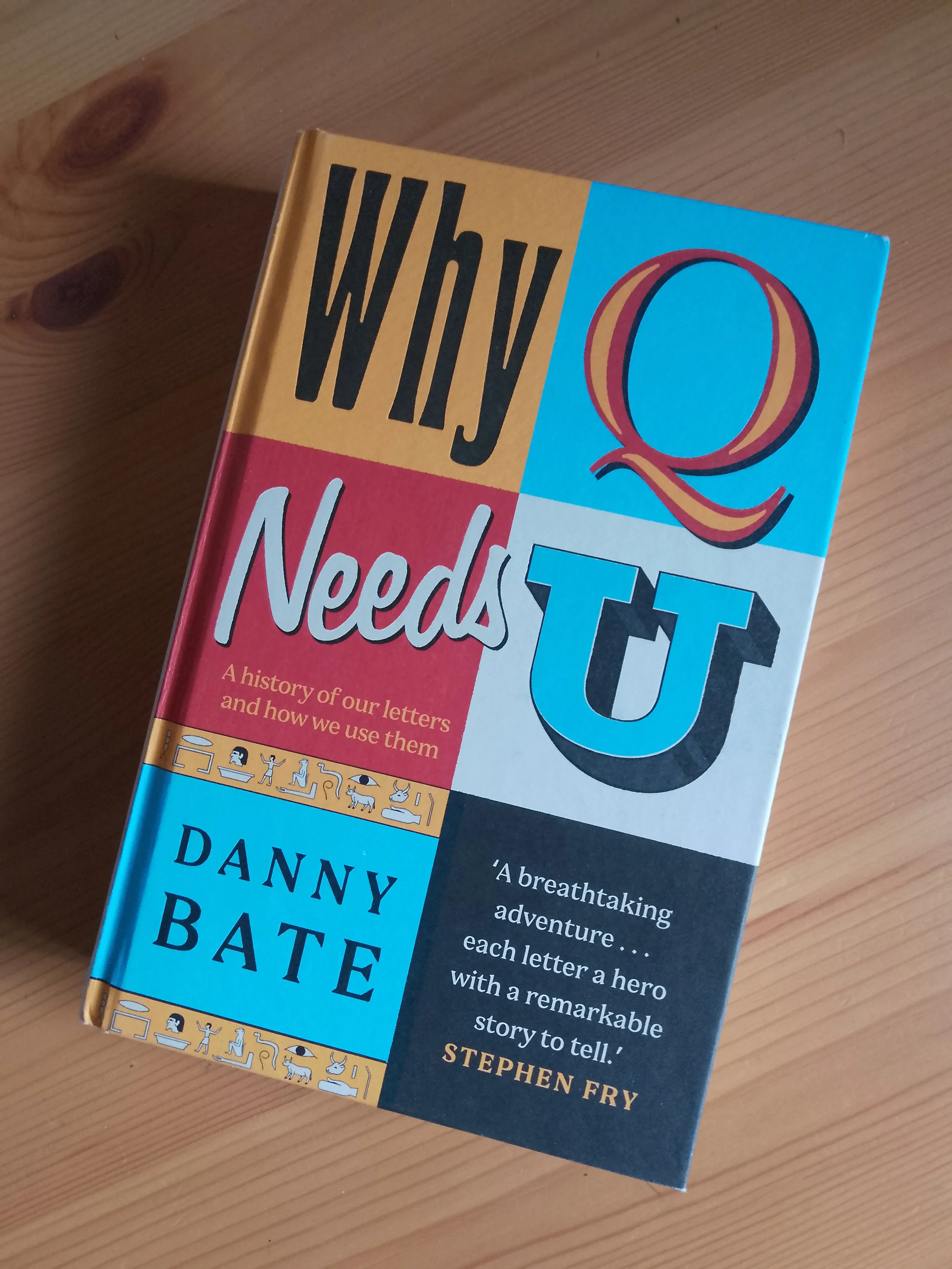
Danny Bate
This is not only an introduction to the 26 letters of the alphabet, but a journey through the history of the English language. The author describes his approach as attempting to ‘push back, very gently, against modern tendencies to mock English spelling’. It’s a really enjoyable read that takes pleasure in the complexities of English spelling, rather than despairing of them!
This ‘Top 20’ list is only a selection of the resources that I recommend on The Literacy Hub website. Take a look at my recommendations page to search for other interesting reads!
If you have any suggestions for books that I should add to my recommendations, please contact me. I’m always happy to hear about new resources!