The Dictionary of Lost Words
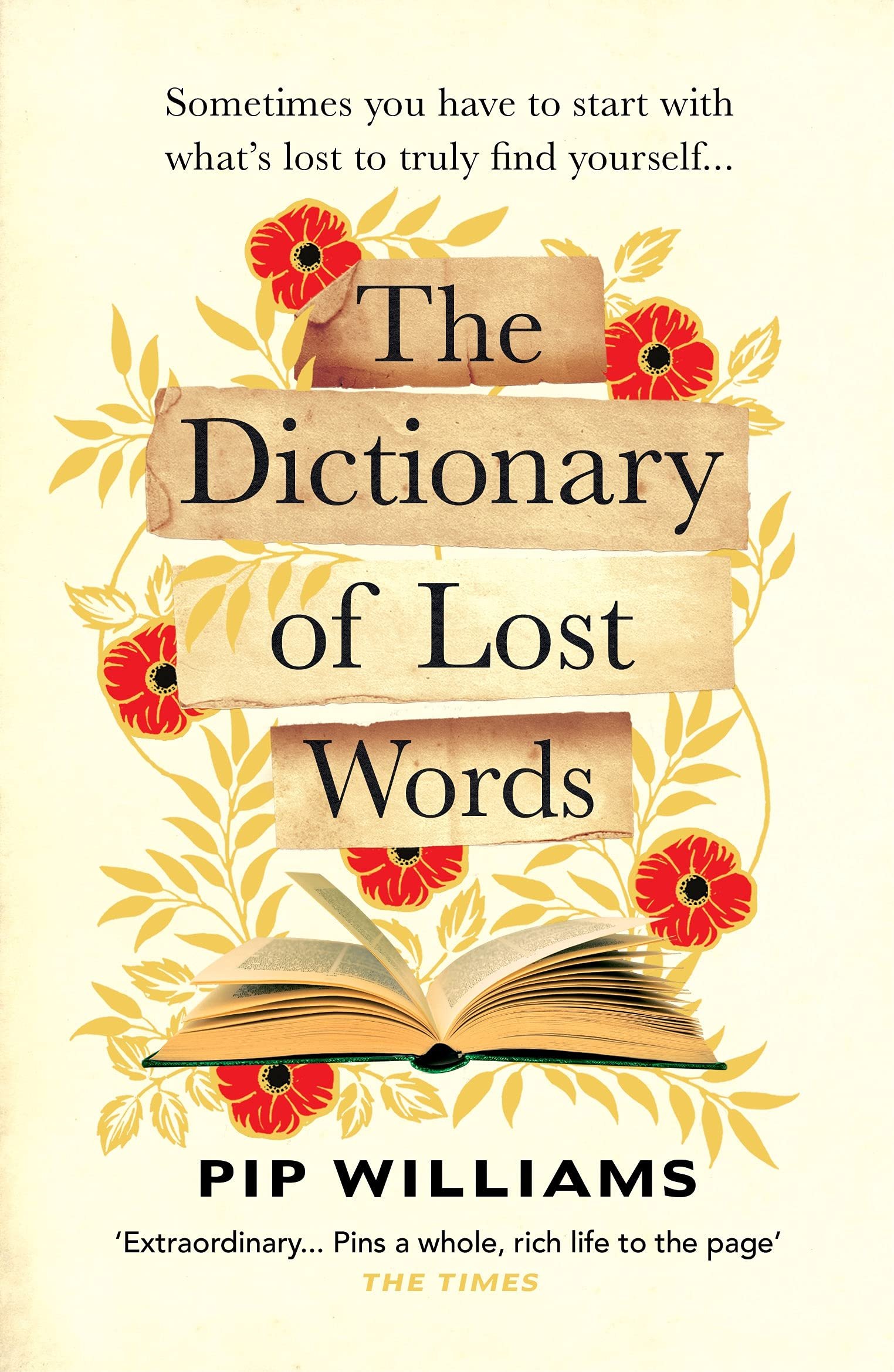
The Dictionary of Lost Words
by Pip Williams
An enjoyable and thought-provoking novel set amidst the lexicographers of the Oxford English Dictionary
What is it about?
This novel is based on a fictional character, Esme Nicoll, who is the daughter of a lexicographer working on the first edition of the Oxford English Dictionary (OED). However, the setting and historical events that form the backdrop are based on historical research.
As a motherless child, Esme spends a lot of time with her father in the ‘scriptorium’, which is a large metal shed in the garden of John Murray, the editor of the OED. The scriptorium housed the ‘slips’ from members of the public who submitted quotations to illustrate the meanings of words, and it functioned as the main office of the OED.
The story follows Esme’s growing fascination with ‘lost words’ – those words, quotations and definitions that, for whatever reason, didn’t make it into the OED. Through her relationship with Lizzie, the maid from the Murray household, and her own connections with the women’s suffrage movement, Esme encounters words that are not deemed worthy for inclusion in the dictionary because of a lack of written evidence, or concerns about propriety. Esme gradually comes to see the effects that a patriarchal and class-based society has on the way language is recorded and valued.
Woven into this story, we have Esme’s experiences as a middle-class girl with a fairly sheltered life and academic tendencies, growing up in Oxford, and trying to find her role in a society that expects women to want marriage and motherhood.
The good
The setting is very well-described. You get a real ‘feel’ for the scriptorium and the process of creating the OED, plus the atmosphere of Oxford as seen from a woman at the boundary between ‘town’ and ‘gown’. I also thought that the author’s description of the impact of the First World War on individuals, the dictionary, and Oxford University Press was very well done.
The less good
Esme’s character was sometimes naïve, and her tendency to take things that didn’t belong to her was irritating and (I felt) rather unnecessary.
The explorations of the impact of power and patriarchy on language were interesting, but on a rather ‘surface’ level that could have been investigated in more detail.
Who is it for?
Recommended for fans of historical fiction, particularly those with an interest in feminism and its relationship with language. This book makes an excellent companion for The Dictionary People (reviewed here). Both books draw the focus away from the academic men who are most closely associated with the development of the OED, and look at the contributions made by a more diverse community.